
Which trips need a fishing vehicle?
Start with the route, equipment and time spent sitting.
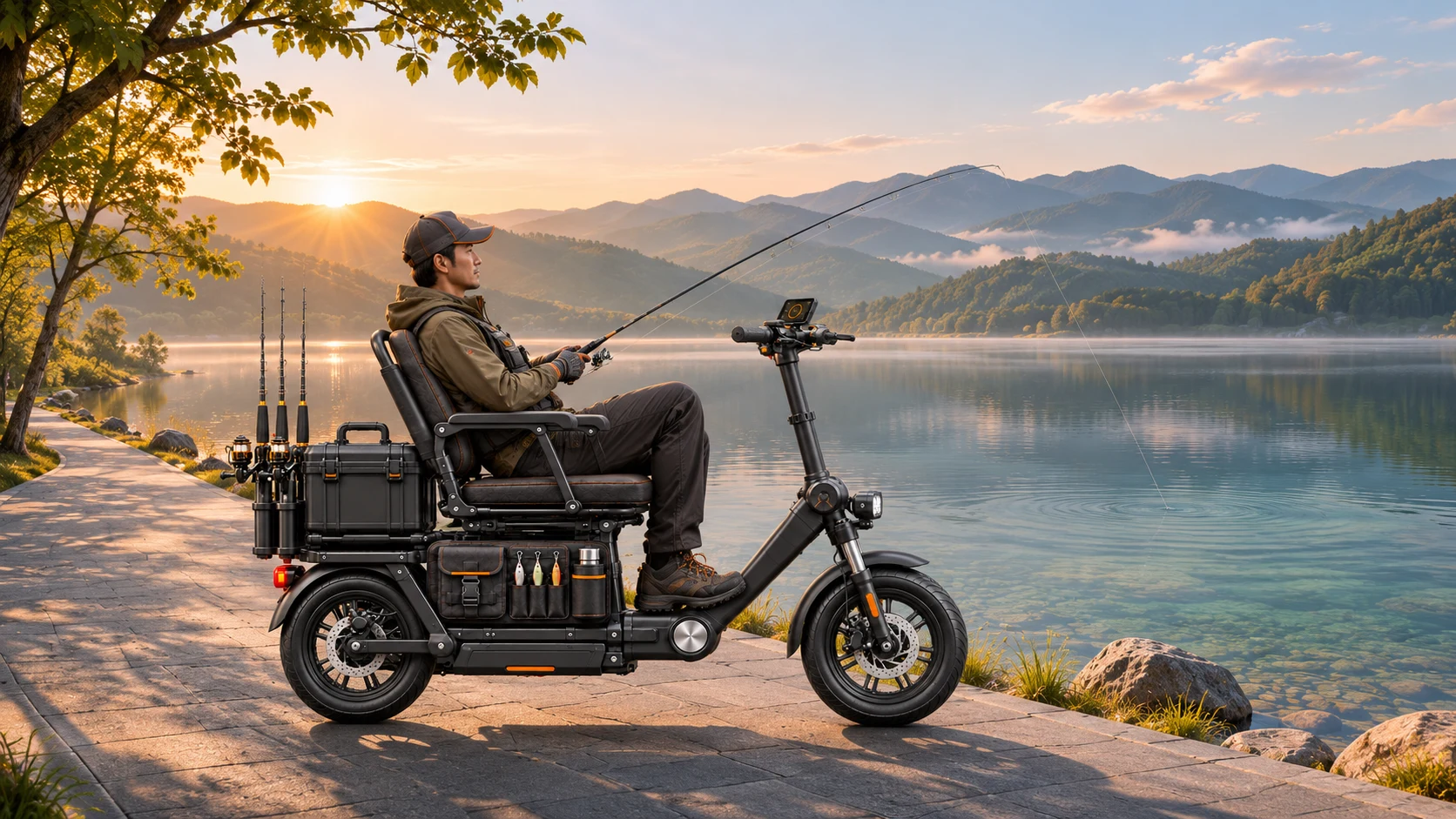
When it makes a difference
The strongest case combines an access route from parking, multiple pieces of equipment and a long seated session. Transport and seating in one vehicle reduce repeat journeys and setup work.
Traditional seated fishing
Long sessions with rod supports, tackle, bait and a keepnet benefit from stable seating and organized essentials within reach.
Reservoirs and urban rivers
Navigator suits longer access routes and heavy equipment. Standard suits short urban trips and basic seating; Flagship adds the display for frequent use.
Lure fishing and coastal access
Minimal lure anglers who move frequently may prefer a backpack. Piers and paved banks can suit wheels; soft sand, slippery rocks and rough surf do not. Clean salt and mud after coastal use.
Terrain matters more than distance
Check hard paths, gravel, slopes and narrow sections before choosing. Walk or take another route where necessary. Steep rocks and foot-only paths still call for carrying equipment.
Leave a return margin
Nominal range is 30, 60 or 100 km depending on configuration. Load, terrain, temperature and electrical accessories affect actual range. Observe fishing restrictions and avoid obstructing paths.